World counterfeit currency news (26 Oct 2026): NIA PNB chest case
- NIA arrested two more alleged conspirators on 16 and 22 October in the case of fake notes worth ₹17.29 crore found in a PNB currency chest in Saharanpur.
- RBI's deadline for banks to train all cash-handling staff on fake-note detection is 31 October 2026.
- Germany's Bundesbank counted 30,007 fake euro notes in H1 2026, with €100 fakes up 61%.
- The UK withdrew about 2,00,000 fake Bank of England notes in 2025, roughly double the 99,000 of 2024.
हिंदी में पढ़ें: /news/duniya-nakli-note-samachar-2026-10-26/
This week’s biggest story is in India: the NIA made two more arrests in the case of fake notes worth ₹17.29 crore that were found inside a bank’s own currency chest. If counterfeits can reach a currency chest, they can reach your cash drawer, which is why checking every ₹500 note at the counter still matters.
Country by country
India
NIA case at a PNB currency chest. Counterfeit notes with a face value of ₹17.29 crore were recovered from a Punjab National Bank currency chest in Civil Lines, Saharanpur (Uttar Pradesh). Local police registered the case on 29 August and the National Investigation Agency took it over on 3 September. After five arrests in September, the NIA arrested two more alleged key conspirators: one in Ambala on 16 October and one in Manali on 22 October. According to the PTI report, three bank employees allegedly involved have been suspended, and the agency says the probe is continuing.
“Operation Noteflix” in Rajasthan. Dungarpur police reported on 23 October that four more people, including the alleged mastermind, had been arrested after raids in several states, taking the total to six. The first two arrests, on 30 September, came with a seizure of fake notes worth ₹4.95 lakh.
How India is managing it. The RBI’s circular of 31 July 2026 requires banks to check every banknote by machine, to fit note authentication or sorting machines in branches in border districts, and to train all cash-handling staff on fake-note detection by 31 October 2026, with reports due to RBI by 7 November. Counterfeits must always be impounded, never returned to the person who tendered them, and banks face penalties if they miss fakes in remittances, chest balances, ATMs or counter payments.
Euro area and Germany
The ECB reported on 27 February 2026 that about 4,44,000 counterfeit euro notes were withdrawn in 2025, 20% fewer than the year before, or 14 fakes per million genuine notes. The €50 (53.2%) and €20 (27.0%) were the most copied. More recent figures from Germany’s Bundesbank (7 August 2026) show 30,007 fake notes in the first half of 2026, down 4.3%, but €100 fakes rose 61%.
Approach: public “feel, look and tilt” checks, comparing a suspect note with a genuine one, and a new series of euro notes. The ECB shortlisted ten designs in July and expects to choose one around the end of 2026; current notes stay valid.
United Kingdom
The Bank of England says about 2,00,000 counterfeit notes with a face value of £4 million were taken out of circulation in 2025, roughly double the 99,000 of 2024 (the lowest in over 30 years). Fakes are still below 0.0041% of notes in circulation.
Approach: polymer £5, £10, £20 and £50 notes with transparent windows and holograms, a free Banknote Checking Scheme for businesses, “Two Quick Checks” guidance, and checking posters in 11 languages. Suspected fakes go to the police, and the Bank does not reimburse counterfeits.
Bangladesh
Bangladesh’s Finance Ministry has drafted a Counterfeit Currency Prevention Act, 2026 (reported by Prothom Alo on 9 July). The draft proposes up to seven years in prison for knowingly holding or using fake notes and makes most offences non-bailable. It was opened for public comment and will go to the Cabinet after that; it is not yet law.
What India can learn
- Train the people who touch cash. The RBI’s 31 October training deadline for banks is similar to the UK’s free checking scheme for shops. Training at the counter catches fakes earlier than training at the bank.
- Watch the mid-value notes. In Europe the €50 and €20 lead, and Germany’s €100 fakes are rising. In India the ₹500 is the main target, so that is where the checks should be.
- Machines plus people. The RBI requires machine checks at banks, while the ECB and Bank of England push simple visual tests for the public. A shop needs both.
- Clear laws help. Bangladesh is moving towards tougher penalties; India already treats counterfeiting as a serious offence under the BNS.
What this means for your shop
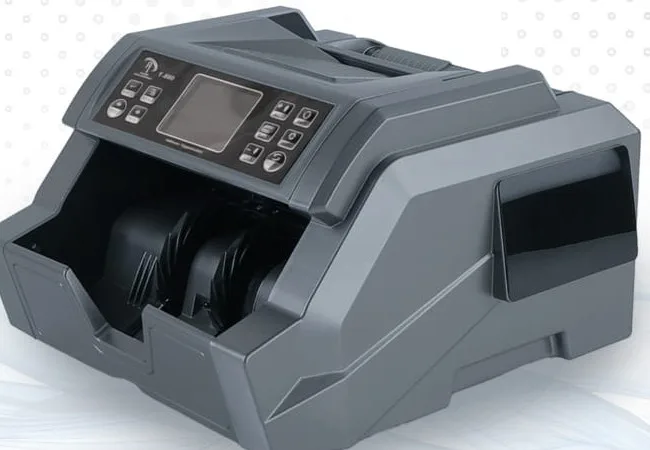
- Put every ₹500 note through a counter with at least UV, MG and IR detection, not just large bundles.
- Keep the machine’s software updated so it recognises current note series.
- Teach staff the visible ₹500 security features for any note the machine rejects. Our guide on how to check a ₹500 note walks through them.
- Never hand a suspect note back into circulation. Politely refuse it, and remember that a fake found at the bank is impounded without credit.
If you are choosing a machine, see the types of note counting machines and what each one detects.
FAQ
What happened in the PNB currency chest fake note case?
Counterfeit notes with a face value of ₹17.29 crore were found in a Punjab National Bank currency chest in Saharanpur, UP. The NIA took over the case on 3 September and has since arrested seven people, the latest two on 16 and 22 October 2026.
Which euro note is counterfeited most?
The €50 note. It made up 53.2% of the roughly 4,44,000 fake euro notes withdrawn in 2025, followed by the €20 at 27.0%, according to the ECB.
Which countries use polymer notes to fight counterfeiting?
The UK is one example: its current £5, £10, £20 and £50 Bank of England notes are polymer, with transparent windows, holograms and raised print. India's rupee notes are still paper.
- Deccan Herald / PTI: NIA arrests two conspirators in Rs 17.2-crore fake note haul from PNB currency chest (22 Oct 2026)
- ThePrint / PTI: 4 more arrested in fake currency racket in Rajasthan's Dungarpur (23 Oct 2026)
- RBI circular: Fake Indian Currency Notes (FICNs) - Detection, Reporting and Monitoring (31 Jul 2026)
- Deutsche Bundesbank: Fewer counterfeits in circulation (7 Aug 2026)
- ECB: Number of counterfeit euro banknotes remains low in 2025 (27 Feb 2026)
- ECB: Shortlisted designs for new banknotes and public survey (23 Jul 2026)
- Bank of England: Counterfeit banknotes
- Bira: Bank of England says counterfeit notes rose by over 100% in 2025 (17 Jul 2026)
- Asian Trader: Retailers urged to stay vigilant as counterfeit notes hit highest level in years (27 Jul 2026)
- Prothom Alo: New law proposes up to 7 years in jail for possessing counterfeit notes (9 Jul 2026)