How a note counting machine detects fake notes: UV, MG, IR, MT and CIS
- UV checks the paper: genuine note paper does not glow under ultraviolet light, most fake paper does.
- MG and MT check magnetic ink and the security thread; IR checks inks that only show in infrared.
- CIS machines scan an image of each note, which is also how they read denominations for mix value counting.
- Shops need UV, MG and IR at minimum; jewellers and banks should add MT or CIS.
A note counting machine with fake note detection runs every note past several sensors while it counts. Each sensor checks one feature of a genuine note, and the machine stops and alerts you when a note fails.
The five sensors
| Sensor | What it checks | Catches |
|---|---|---|
| UV (ultraviolet) | Paper and fluorescent ink | Fakes on ordinary paper, which glows under UV |
| MG (magnetic) | Magnetic ink in set areas of the note | Notes printed without magnetic ink |
| IR (infrared) | Inks that look different in infrared light | Colour-copied and inkjet fakes |
| MT (magnetic thread) | The security thread | Notes with a printed or missing thread |
| CIS (contact image sensor) | A full image of the note | Most fakes, and reads the denomination |
What each sensor can miss
UV and MG alone can be passed by good-quality “super fakes” that use better paper and some magnetic ink. That is why three or more independent checks matter: a fake has to beat all of them at once.
CIS machines are the most thorough because they compare an image of the whole note. The same image lets them recognise the denomination, which is how mix value counters total a stack of mixed ₹10 to ₹500 notes.
Which sensor set do you need?
- Small shop, office, restaurant: UV, MG and IR, such as the Kores EasyCount 442.
- Petrol pump, supermarket, high cash volume: add MT, such as the T-100.
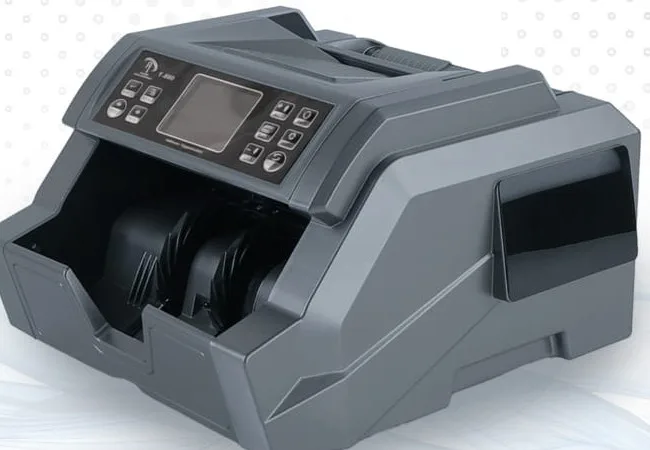
- Jeweller, wholesaler, mixed cash all day: a mix value counter with UV, MG, IR and MT, such as the T-800.
- Bank branch: CIS value counters and note sorters.
Compare models and prices on the homepage, or read mix value vs normal note counter.
FAQ
Which sensor is most important in a note counting machine?
No single one. UV, MG and IR together catch most fakes because each checks something different: paper, magnetic ink and infrared ink. Add MT or CIS for high-value cash.
Why does my machine reject a genuine note?
Very worn, washed or taped notes can fail a sensor check. Dust on the sensors causes the same problem, so clean them regularly and recount the rejected note.
Do I need a software update for new notes?
Yes, when RBI issues a new series or design the machine's reference data must be updated. Ask your dealer whether updates are included.